
Fluke Networks needed a smarter cable analyzer. We started by going to the job site.
How deep field research and a project-centric design approach turned a hardware refresh into a market-leading product.
CLIENT: Fluke Networks
INDUSTRY: Hardware & Industrial Software
SERVICES: Field Research · UX Design · Visual Design · Usability Testing
THE SITUATION
Fluke Networks is a well-established name in network infrastructure testing. It’s the kind of company whose tools you’ll find in the hands of technicians wiring up hospitals, office buildings, and data centers. When they redesigned their hardware platform to support a touchscreen interface, they had a real opportunity to build software worthy of the new hardware. They came to Devise to make sure they got it right.
The product in question was a handheld cable analyzer — a specialized tool used by network cabling technicians to test and certify copper wiring and fiber optic installations in new construction contexts. It sounds technical, and it is, but the stakes on a given project can be enormous: missed tests, mislabeled cables, and incomplete documentation can cause costly rework and failed inspections. Getting it right the first time matters a lot to the project’s bottom line.
THE CHALLENGE
Fluke’s stakeholders understood their technology deeply and had finalized their tester’s hardware design. What they wanted was an outside expert in software design who would be able to deliver an effective user experience based on real-world usage patterns, not just how the engineers imagined users experienced it.
So before we sketched a single screen, we went where the work happens.
Our team conducted field research with technicians across multiple active construction sites, watching them move through actual cable certification workflows in real conditions. We also spent time with the project managers back in the office — the people responsible for organizing test results, managing crews, and delivering those thick stacks of printed reports to their clients at the end of a job.
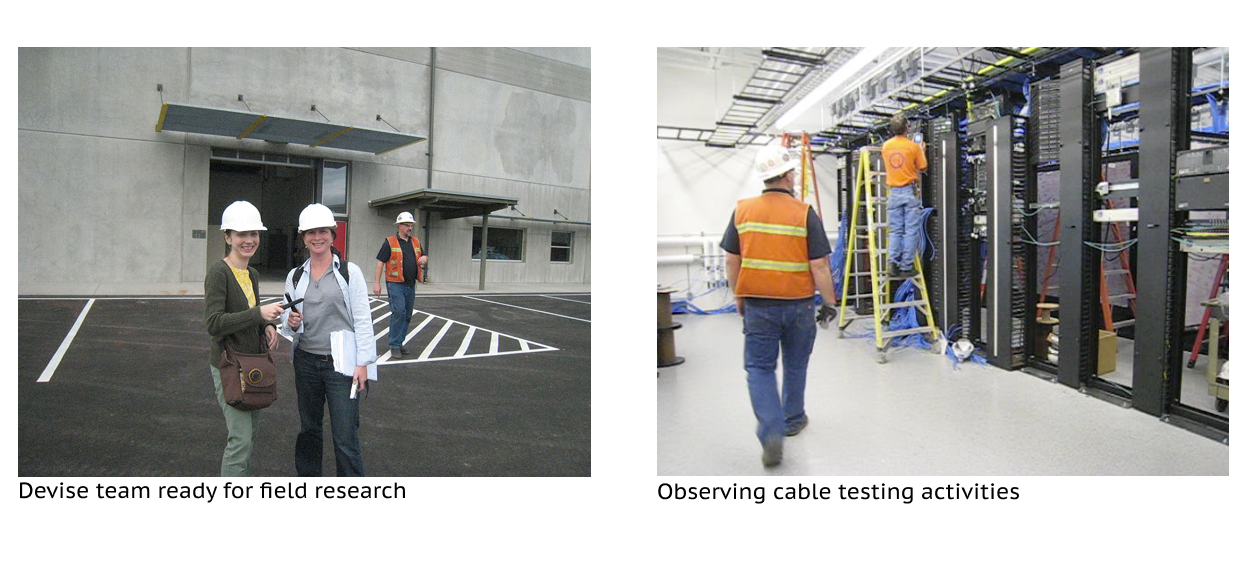
What we heard from both groups was consistent: the hardware seemed fine, but the workflow around it was genuinely painful. A single large installation project could generate literally thousands of pages of printed test results, all of which had to be manually sorted, labeled, and associated with the right client account. Errors crept in. Time got wasted.
THE APPROACH
The insight that changed everything was deceptively simple: the technicians weren’t thinking in terms of individual cable tests. They were thinking in terms of projects. A job had a name, a location, a client, and a deadline. The software needed to reflect that mental model — not the other way around.
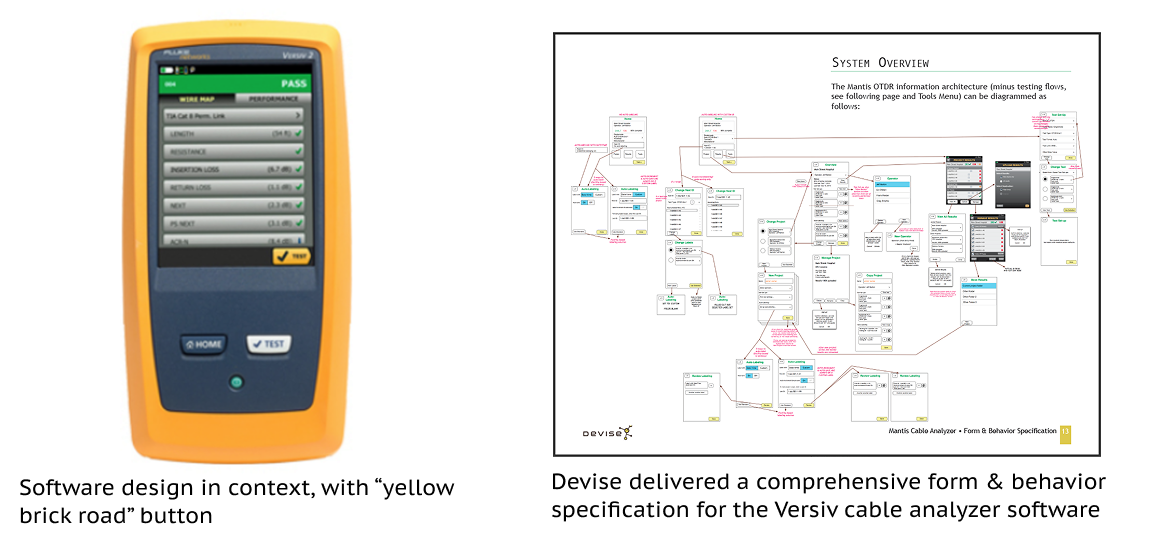
So, we designed a project-centric architecture into the Versiv software from the ground up. Test results, account associations, and job progress all lived inside named project files that could be shared across devices and crews. This information architecture eliminated the redundant re-entry of job details that used to happen on every single tester, and it gave project managers real visibility into what was happening in the field.
From there, we delivered comprehensive site maps and detailed interaction designs for the full range of testing workflows — copper, fiber, the works. The visual design, led by our associate Stacy Westbrook, gave the interface a visual language all its own. One detail became something of a signature: the “yellow brick road” primary button presented a high-visibility tap target that guides technicians naturally through sequential actions, step by step, even in challenging and interrupt-driven field conditions.
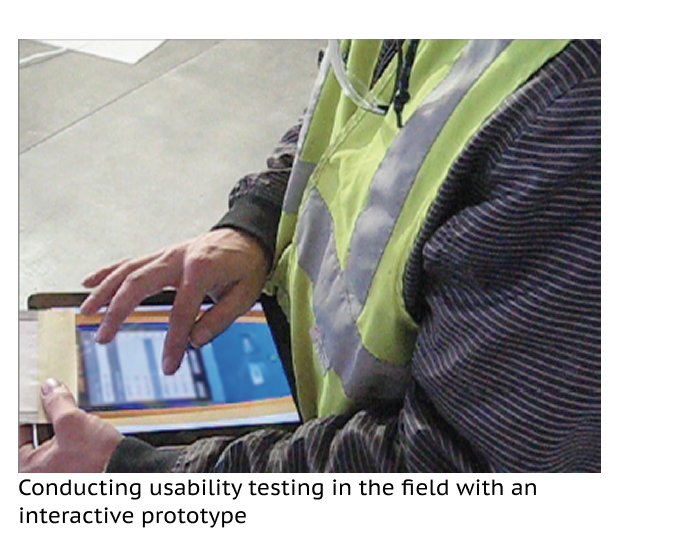
Fluke also invested in a usability testing cycle using an interactive prototype, which meant we could validate our decisions with real users before anything shipped. Conducting evaluative research in the field with real users greatly increases confidence and speed during development.
THE OUTCOME
A “tremendous success”
Fluke product leader Steve O’Hara called the Versiv design a “tremendous success” — one that changed how the market understood what a cable analyzer could be.
Ongoing market leadership
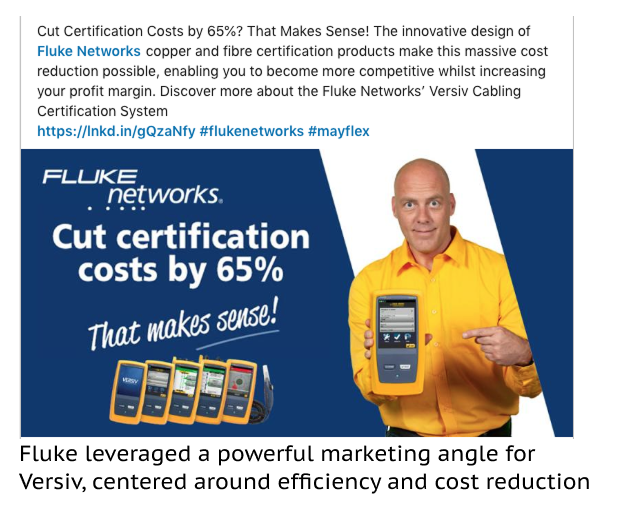
Versiv continues to drive market share and has won multiple industry awards since launch. The product has become the platform standard for the category.
Patent applications filed
Fluke Networks submitted patent applications on innovations identified and delivered by the Devise team — a meaningful signal of the design’s originality.
One thing that stood out to Fluke’s stakeholders was how our team managed to identify the core innovation around project management capabilities. That’s to be expected from Devise, because good UX research is, at its core, about learning what matters to users — and field observation always delivers deeply meaningful insights. By the time we were designing screens, we understood the entire job end-to-end, so we could craft a scalable and coherent interaction framework and make detailed decisions with confidence.